TL;DR
Plan wedding DJ sound and lighting around the room and programme before comparing equipment lists. Speeches need intelligible microphones; dinner needs comfortable light; dancing may use a different look. Confirm placement, access, power and venue restrictions with the team. Get the agreed production scope in writing, including who operates it and when setup and teardown happen.
Begin with the room and guest experience
The same equipment list can behave differently in two rooms. Send your DJ the venue name, seating plan and programme, then discuss how guests will hear speeches and where dancing will happen. Larger or divided spaces may need a different sound plan, but guest count alone is not a complete specification.
- Identify ceremony, cocktail, dinner and dancing spaces separately.
- Ask whether the venue's built-in sound can be used and who operates it.
- Locate microphones where speeches will happen rather than assuming everyone speaks from the DJ booth.
- Confirm whether separate rooms need simultaneous coverage.
Understand lighting by what it does
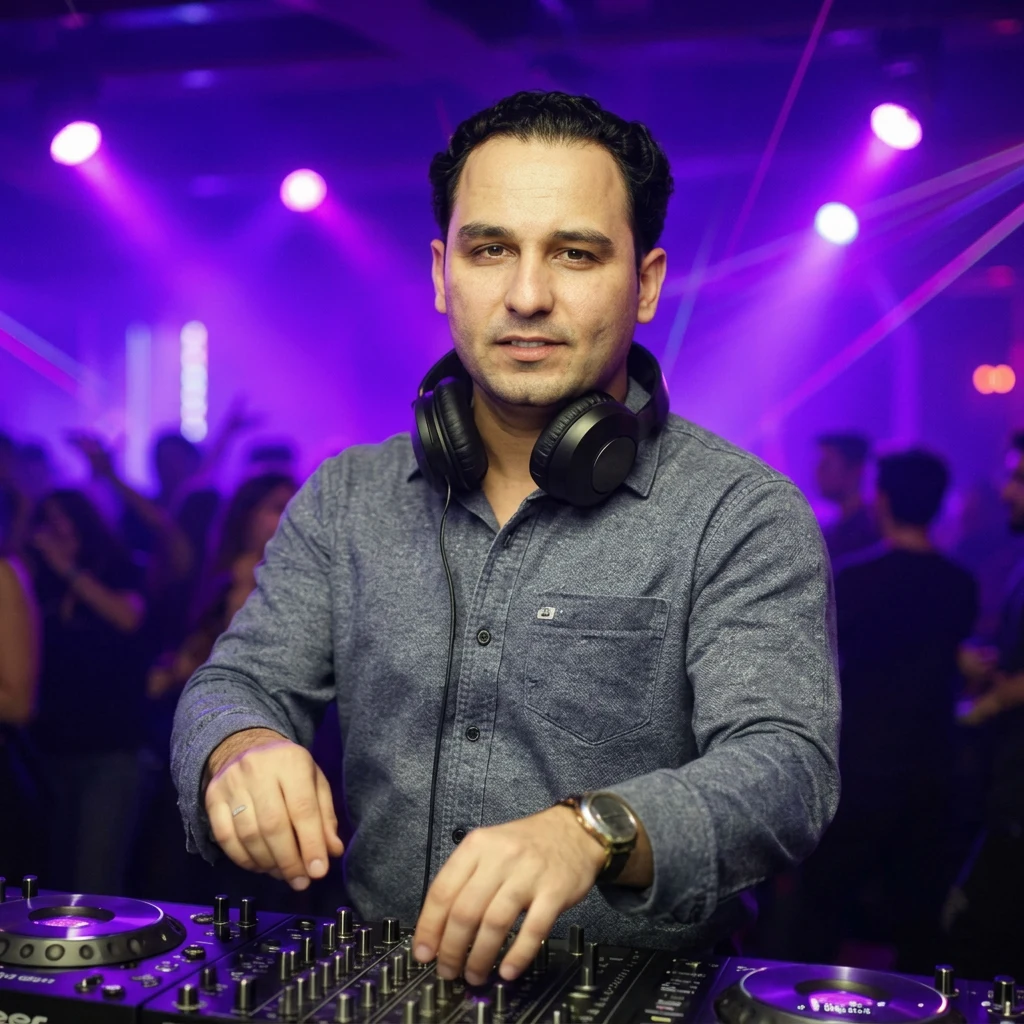
Ambient lighting, uplighting and moving dance-floor effects have different jobs. Choose the atmosphere for each part of your evening instead of adding fixtures simply because they appear in a package. Your venue and photographer should be part of that conversation.
- Ambient and house lighting help guests see during dinner and speeches.
- Uplighting changes the appearance of walls or architectural features.
- Dance-floor lighting supports the energy of open dancing; agree colours and movement preferences.
- Discuss flash or strobe sensitivities and tell the team about effects you do not want.
Create a small lighting cue list
A short cue list makes the production easy to understand. It can describe a dinner look, an entrance look, a first-dance look and an open-floor look without prescribing a complicated show. Confirm what the operator can deliver within the agreed setup.
- Dinner: comfortable visibility at tables and on the speaking position.
- Entrance: an agreed look coordinated with the MC and photographer.
- First dance: a look approved for the couple's photographs.
- Open floor: the agreed dance lighting, with a clear end cue.
Ask the venue the practical questions
Access and permissions affect whether the proposed setup is workable. Ask before finalising production. The venue or qualified technician must confirm electrical requirements and safe placement; a planning article is not an electrical or safety specification.
- When can equipment be loaded in, tested and removed? Are stairs or elevators involved?
- Which power sources may be used, and who confirms their capacity?
- Where can equipment and cables be placed without obstructing exits or guest routes?
- Which sound limits, lighting restrictions or effect permissions apply to the event?
Compare written scope rather than package labels
A useful quote explains coverage, sound, microphones, lighting and staffing. The words 'premium' or 'full production' are not enough to compare two offers. Ask how changes to room layout, timings or effects will be handled before booking.
- Performance hours versus access and setup time.
- Microphone provision, operator responsibilities and backup arrangements.
- Lighting functions and who controls the cues.
- Optional effects only if available and separately approved by the venue.
Explore sound and lighting options, Toronto event coverage and request a quote for your date.
Planning guidance from DJ RP Singh. Confirm your event requirements and venue rules before booking. Explore the planning guides.
Frequently asked
Do more lights always mean a better wedding setup?
No. Select lighting by function, room layout and your preferences. Ask what each proposed element contributes.
Can effects be assumed to be allowed at every venue?
No. Confirm permissions, safe placement and operating requirements with the venue before adding effects.
Who should confirm electrical requirements?
Your venue and the qualified production team should confirm available power and equipment requirements. Do not rely on a generic checklist as a technical specification.